
Bench Scales
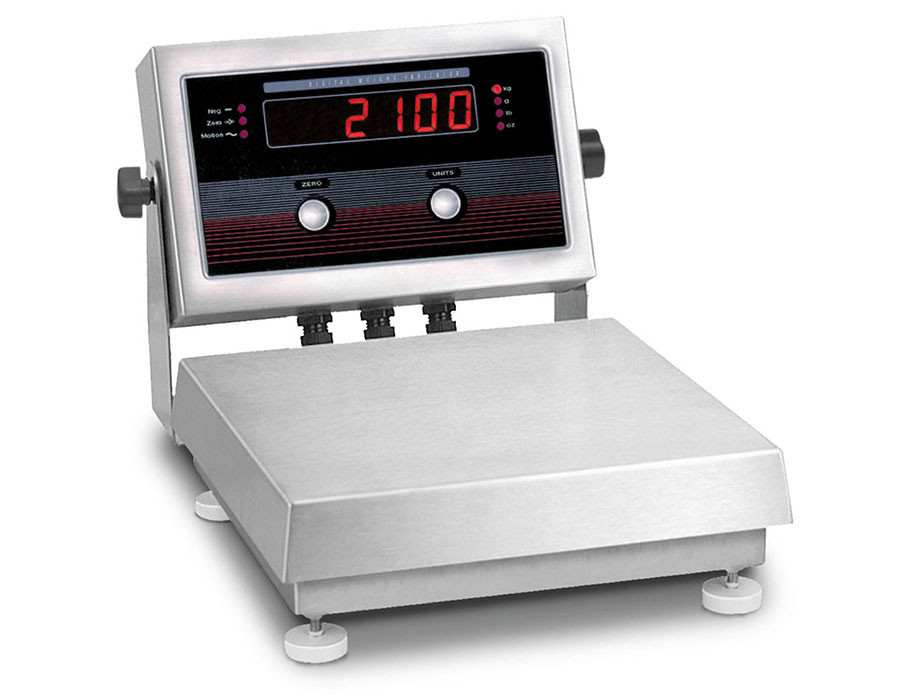
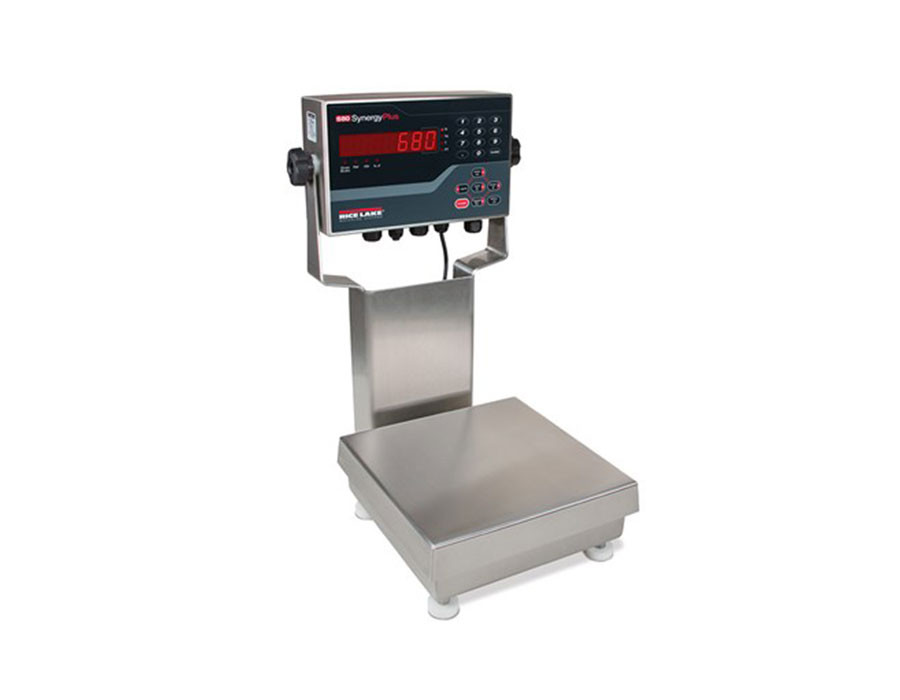
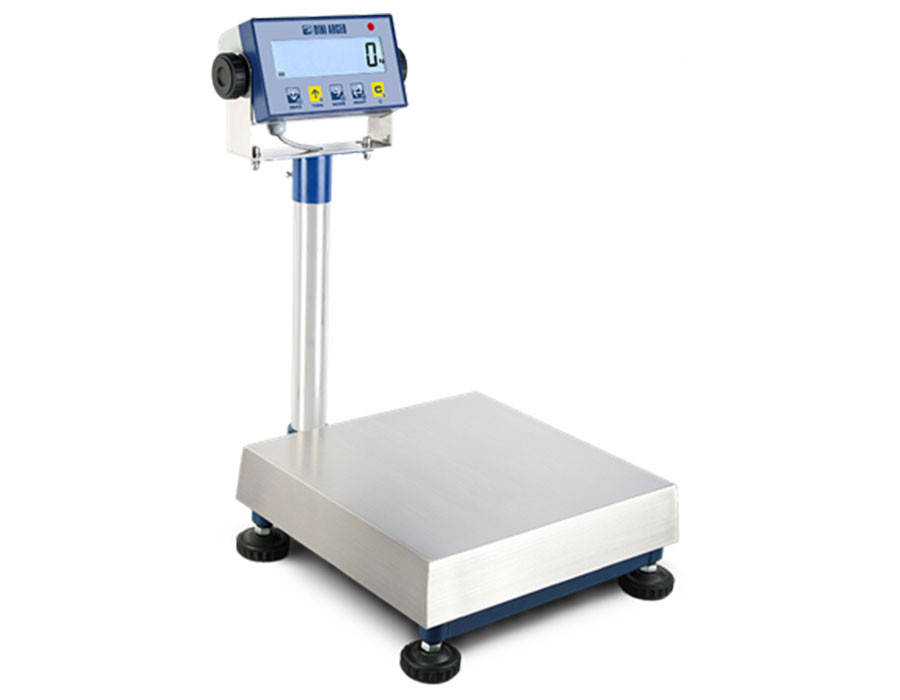
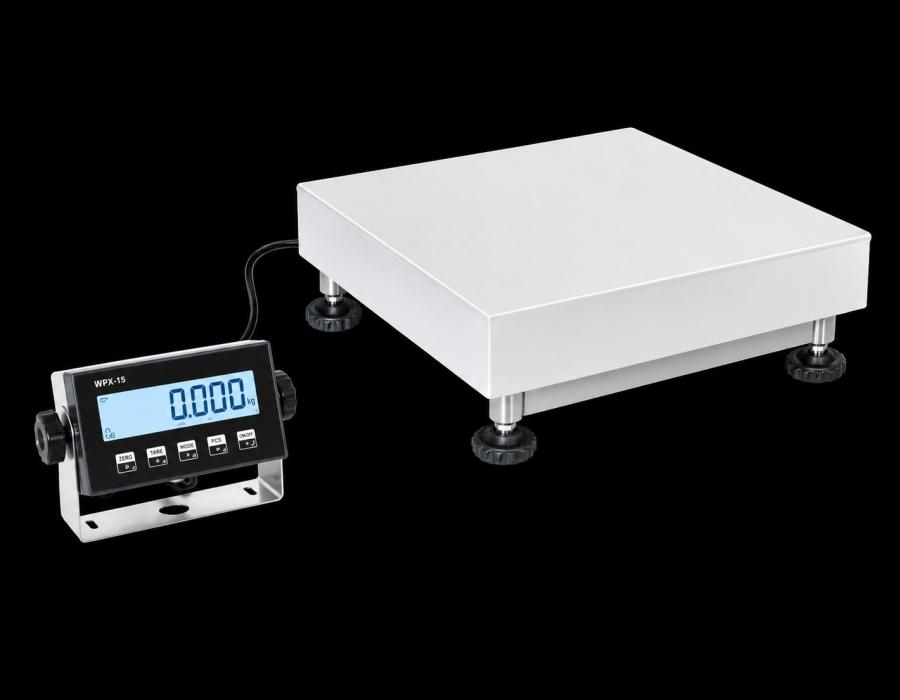
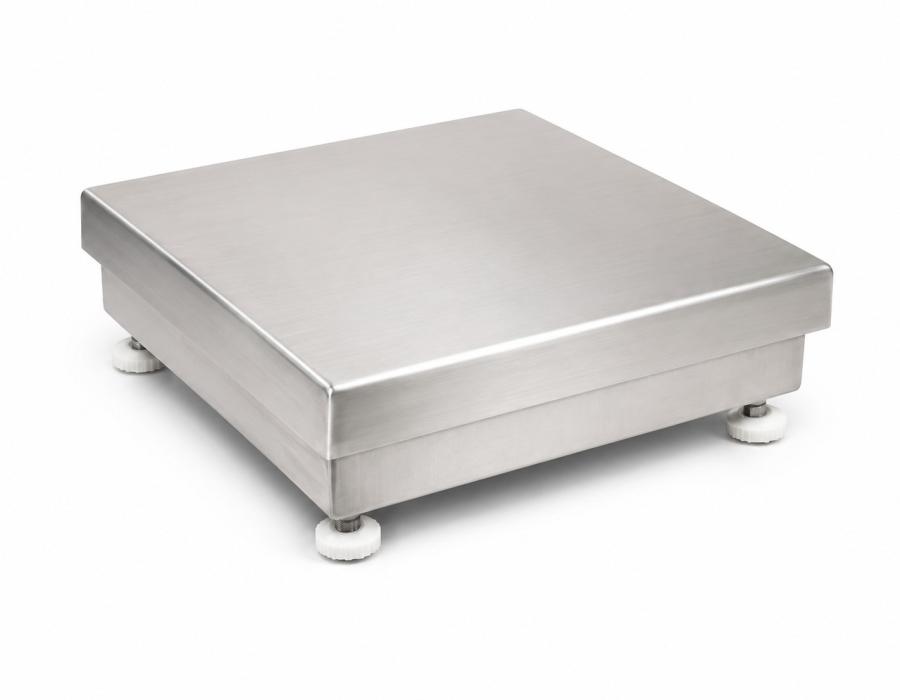
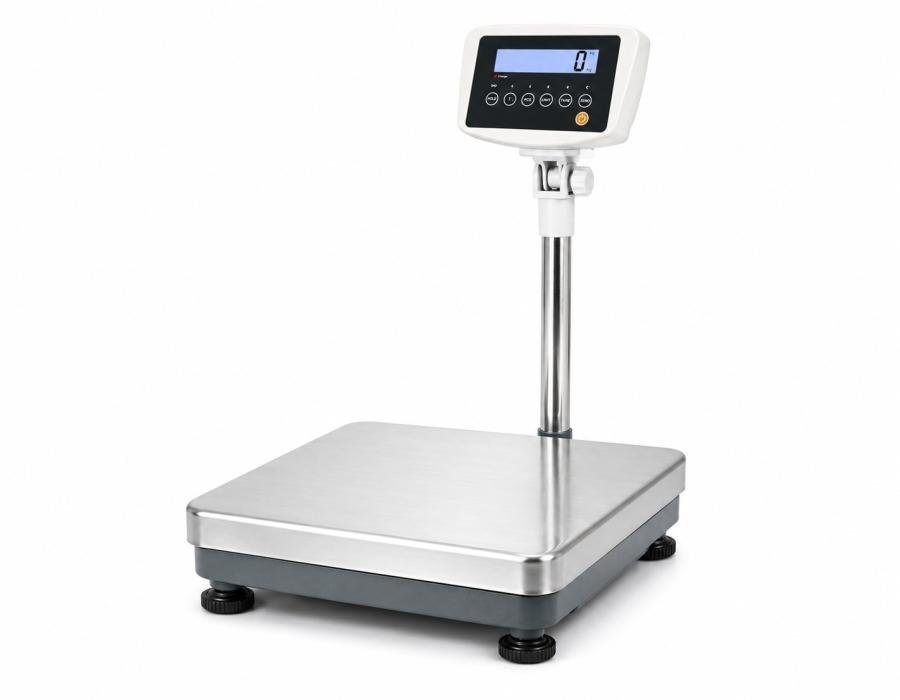
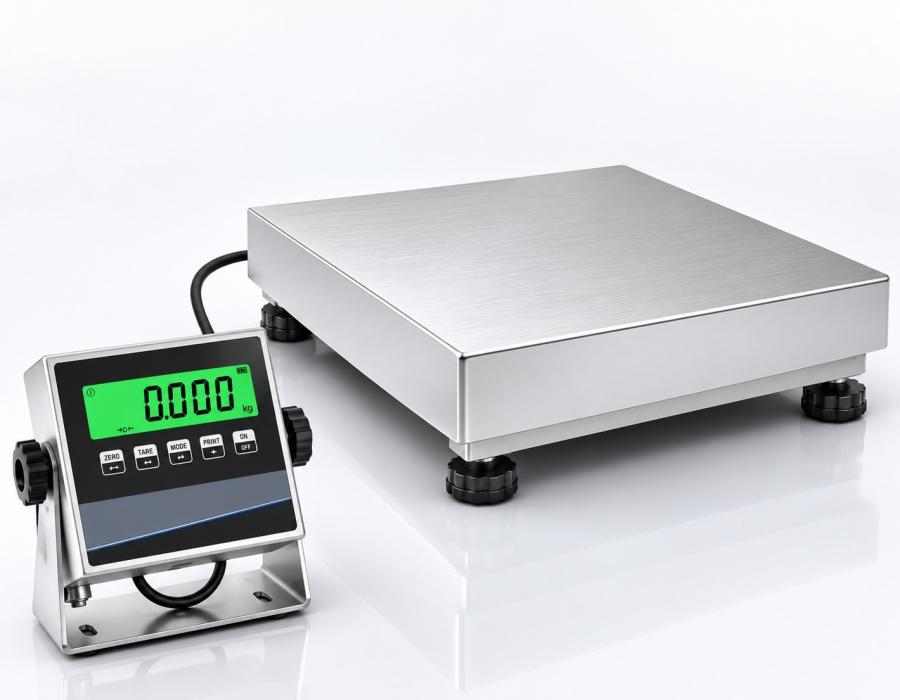
Bench Scales for Precision Weighing in Industrial and Commercial Operations
A bench scale is a compact weighing instrument designed to sit on a workstation, counter, or production bench rather than the floor, bringing the operator closer to the scale for fast, repeatable weighing tasks. Bench scales are used for quality control, parts counting, checkweighing, and general production weighing, where speed and easy access matter more than handling very large or palletised loads. Their compact design, multiple capacity options, and flexible configurations make them suitable for both light-duty and demanding industrial environments.
Available with different platform sizes, construction materials, weighing functions, and communication options, bench scales can be configured to match the operational requirements of manufacturing facilities, laboratories, logistics centres, and food processing operations across Saudi Arabia.
Because they sit directly at the workstation, bench scales are typically the first weighing point in a process — before a component is counted into a kit, before a batch ingredient is added, or before a finished item is packed. That position in the workflow is why accuracy, response speed, and ease of operation matter as much as raw capacity when specifying one.
Bench Scales vs Floor Scales and Platform Scales — Choosing the Right Fit
The terms “bench scale,” “platform scale,” and “floor scale” are often used loosely, and choosing the wrong one is a common — and costly — purchasing mistake.
- Bench scales sit on a workstation and are built for smaller, operator-handled loads: parts, components, cartons, and samples that need fast, frequent weighing.
- Floor and platform scales sit at floor level and are designed for larger, forklift- or pallet-loaded items where a bench-height unit isn’t practical.
If your operation is weighing pallets, drums, or forklift-loaded goods, our heavy-duty platform scales are the better starting point. For workstation-level counting, checkweighing, and production weighing, a bench scale is the right category.
Getting this right at the enquiry stage avoids two common outcomes: a bench scale ordered for a load it can’t safely handle, or an oversized platform scale bought for a task that never needed floor-level capacity in the first place. Confirming the load type before specifying a model is the simplest way to avoid both.
Applications Across Industrial and Commercial Operations
Different industries require different weighing capabilities. Bench scales are available in configurations suited to a range of daily industrial operations, and the same base unit is often reconfigured across several of the roles below within a single facility:
| Application | Typical Use |
|---|---|
| Quality Control | Product inspection and weight verification |
| Parts Counting | Inventory management and component counting |
| Packaging | Final weight checks before packing and dispatch |
| Manufacturing | Production weighing and process control |
| Laboratory & Testing | Sample preparation and precision measurement |
| Warehousing & Logistics | Shipping, receiving, and inventory verification |
Standard Features Across the Range
Bench scales are available with features that support efficient operation across industrial environments.
Display & Operation
- High-visibility LCD or LED display
- Simple keypad for quick operation
- AC-powered or rechargeable battery models
- Multiple weighing units
- Stable and fast weight display
Weighing Functions
- General weighing
- Gross, net, and tare weighing
- Checkweighing with programmable limits
- Parts counting, weight accumulation, and totalization — for high-volume counting or recipe-based batching, see our formulation and counting scales
- Percentage weighing (selected models)
- Simple batching and formulation (selected models)
Construction Options
- Mild steel or stainless steel platform
- Compact industrial design
- Multiple platform sizes
- IP-rated models for demanding environments
- Bench-top installation for efficient workspace utilisation
Technical Configuration Overview
| Parameter | Typical Configuration |
|---|---|
| Capacity Range | Model dependent |
| Platform Size | Multiple platform options |
| Construction | Mild steel or stainless steel |
| Display Type | LCD or LED indicator |
| Power Supply | AC power or rechargeable battery |
| Protection Rating | IP-rated models available |
| Communication | RS232, RS485, USB or Ethernet (model dependent) |
| Operating Functions | Weighing, checkweighing, parts counting, totalization |
Final specifications vary depending on the selected model and operational requirements. Speak to our team to confirm the exact capacity, resolution, and accuracy class for your application.
Connectivity & Compliance for the Saudi Market
Modern bench scales can be integrated with production and inventory systems to improve weighing efficiency and data management.
Connectivity Options
- RS232 and RS485 communication
- USB and Ethernet connectivity
- PLC integration
- ERP and warehouse management system compatibility
- Printer and label printer support
- Remote display connectivity
- Optional wireless communication on selected models
Compliance Options
Scales used for commercial transactions in Saudi Arabia — invoicing, sale by weight, or customs-related weighing — fall under the SASO/NMI legal metrology framework and need to be type-approved and verified accordingly. Internal process weighing, such as production tracking or QC checks that don’t determine a transaction value, does not carry the same requirement, so it is worth confirming which category your application falls into before specifying a model.
- OIML-approved configurations
- Legal-for-Trade approval under Saudi Arabia’s SASO/NMI framework
- ATEX and IECEx certified variants where required
- IP-rated protection for industrial environments
- ISO 17025 calibration support where required
The final configuration should be selected based on the weighing application, operating environment, integration requirements, and applicable industry regulations.
Choosing the Right Bench Scale for Your Operation
Specifying a bench scale is less about picking the biggest or most feature-rich unit and more about matching the configuration to how the scale will actually be used, day to day. A few questions help narrow down the right configuration before you enquire:
- What is the maximum load you need to weigh — small parts and samples, or heavier cartons and components?
- What environment will it operate in — a dry production floor, or an area needing wash-down or hygienic design?
- Which function matters most — general weighing, checkweighing, parts counting, or batching?
- Will the reading be used for a commercial transaction, which may require legal-for-trade certification?
Our team can match these answers to the right bench scale model and confirm capacity, accuracy, and compliance requirements for your facility.
Bench Scales in Saudi Arabia
Himatrix Arabia supplies bench scales to manufacturing, logistics, laboratory, and food processing operations across Saudi Arabia, with local delivery, installation guidance, and calibration support. As a bench scale supplier in Saudi Arabia, Himatrix Arabia can confirm which configurations meet applicable Saudi and GCC conformity requirements, and match capacity, construction, and compliance options to your specific application.
Bench scales used inside production areas, wash-down zones, or dusty manufacturing environments common across KSA facilities should be specified with a construction and protection rating suited to those conditions, rather than a general-purpose model. Ask Himatrix Arabia’s team about stainless steel and IP-rated options where the operating environment calls for it.
